

Toronto Went Vertical in 2025 — These Are the Buildings People Loved Most
January 2026
A Personal Love Affair with Architecture
I’ve always loved architecture — from historic, time-worn buildings to bold, modern designs. If you follow me on social media, you’ve probably noticed that I post photos of buildings quite often. Architecture tells stories. It reflects values, ambition, and the era we’re living in.
Toronto’s architecture is sometimes criticised. Some people say it’s boring, repetitive, or dominated by glass condo towers that all look the same. And yes — I agree that some buildings are not particularly attractive. That’s part of any growing city. Not every project is meant to be iconic, and not every design “wins.”
But if you slow down and really look closer, you’ll notice something interesting: most buildings are actually unique. The differences are subtle — proportions, materials, setbacks, balconies, how a tower meets the street, how light plays across the façade. Architecture isn’t always about loud statements; sometimes it’s about quiet intelligence.
Why Looking Closer Changes Everything
This year, I followed the annual readers’ poll published by UrbanToronto, which voted on favourite new buildings completed in 2025. The results were fascinating.
The 12th annual poll included 121 completed buildings, a huge jump from previous years, grouped into height categories starting at six storeys. Most of the shortlisted projects were residential — not surprising, given how rapidly Toronto continues to grow vertically. With very few non-residential buildings completed this year, residential architecture naturally dominated the conversation.
What I loved most wasn’t just the winners.
In my opinion, many of the buildings that placed second and third are winners too. Some of them are actually my personal favourites. Architecture is deeply subjective — what feels cold to one person may feel elegant and restrained to another. What someone dismisses as “just another glass tower” may actually be a thoughtful response to light, density, and urban context.
Toronto may not always shout with its architecture — but it whispers intelligently.
And maybe that’s what makes it interesting.
If we stop expecting every building to be iconic and instead start appreciating the details, the discipline, and the quiet experimentation happening across the city, Toronto suddenly feels far from boring. It feels like a city still learning who it is — layer by layer, floor by floor.
Sometimes, the beauty isn’t obvious.
Sometimes, you just have to look a little closer.
These residential condo buildings were voted the winners, though several others were just as deserving
6–7 Storeys
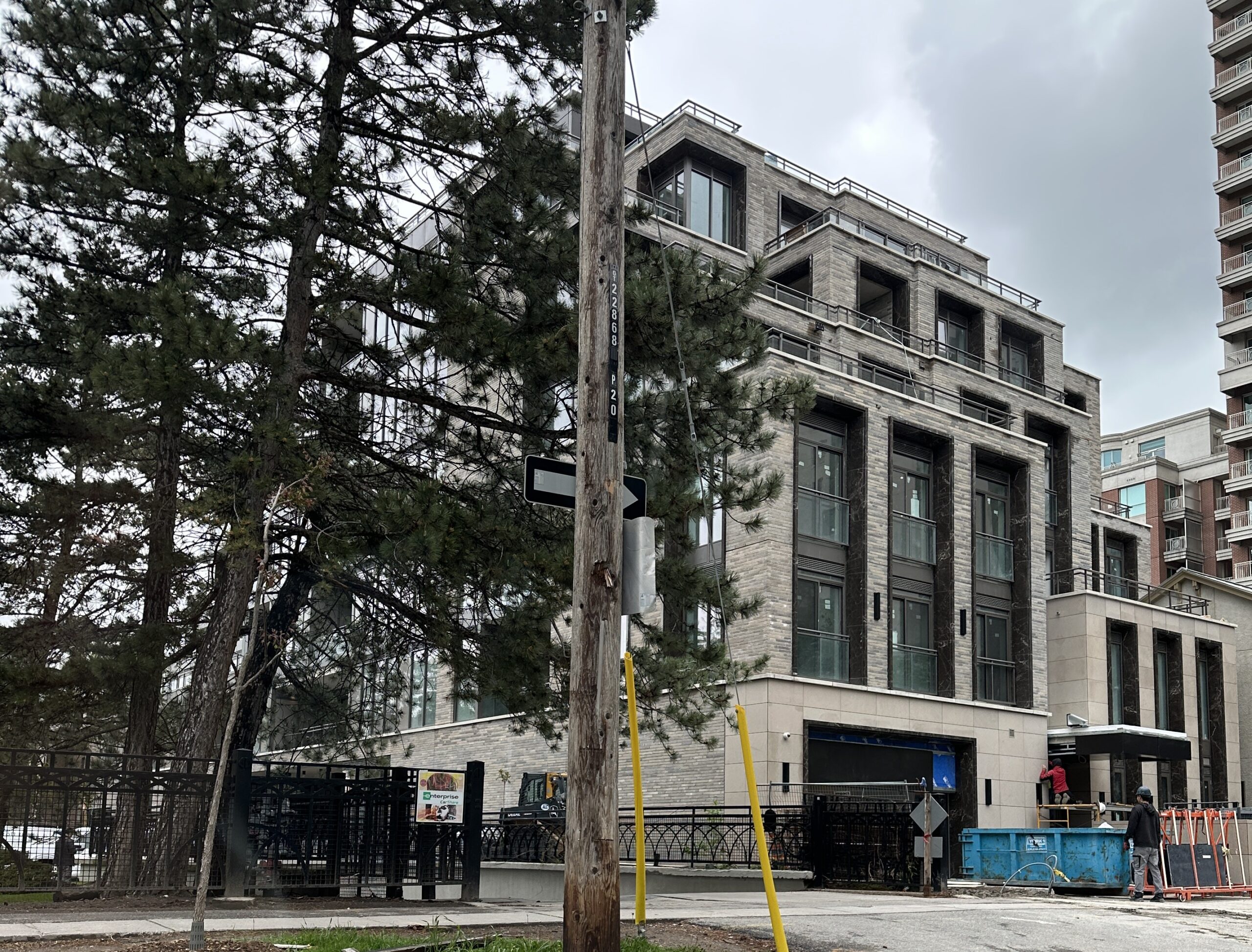
This category featured 14 entries, making it the largest and most competitive group. With so many strong contenders, the votes could have been widely split — but instead, one project clearly stood apart. 10 Prince Arthur emerged as a decisive favourite, capturing 41.34% of the vote, while the remaining entries trailed well behind.
What makes this building especially compelling is its sensitive approach to context. A preserved heritage home is gracefully embraced by seven terraced storeys of contemporary construction, creating a thoughtful dialogue between old and new. Designed by Richard Wengle Architect Inc for North Drive Investments Inc, the project sits on a quiet Annex street just west of Avenue Road — a refined example of how modern architecture can coexist beautifully with Toronto’s historic fabric.
8 Storeys
This category included 12 entries in total — nine residential buildings, one retirement residence, and two hotels — making for a diverse and competitive field. In the end, one project rose clearly to the top. Junction Point, a Toronto condominium designed by Alliance for Gairloch Developments, secured a convincing win with 29.14% of the vote.

16–19 Storeys
Once again, this category featured 12 entries, all of them residential — but unlike other sections, this one produced the most decisive result of the entire poll. One project didn’t just win; it dominated.
Aqualuna at Bayside delivered the largest landslide victory across all categories, capturing an impressive 59.33% of the vote. Designed by 3XN in collaboration with Kirkor Architects and Planners, the project was developed by Tridel — clearly on a winning streak — alongside Hines.
The gap between Aqualuna and the rest of the field was striking. The runners-up received no more than 6.44% of the vote, with the lowest polling at 1.54%. In a category this one-sided, it feels unnecessary to single out the others — this was unmistakably Aqualuna’s moment.

26–32 Storeys
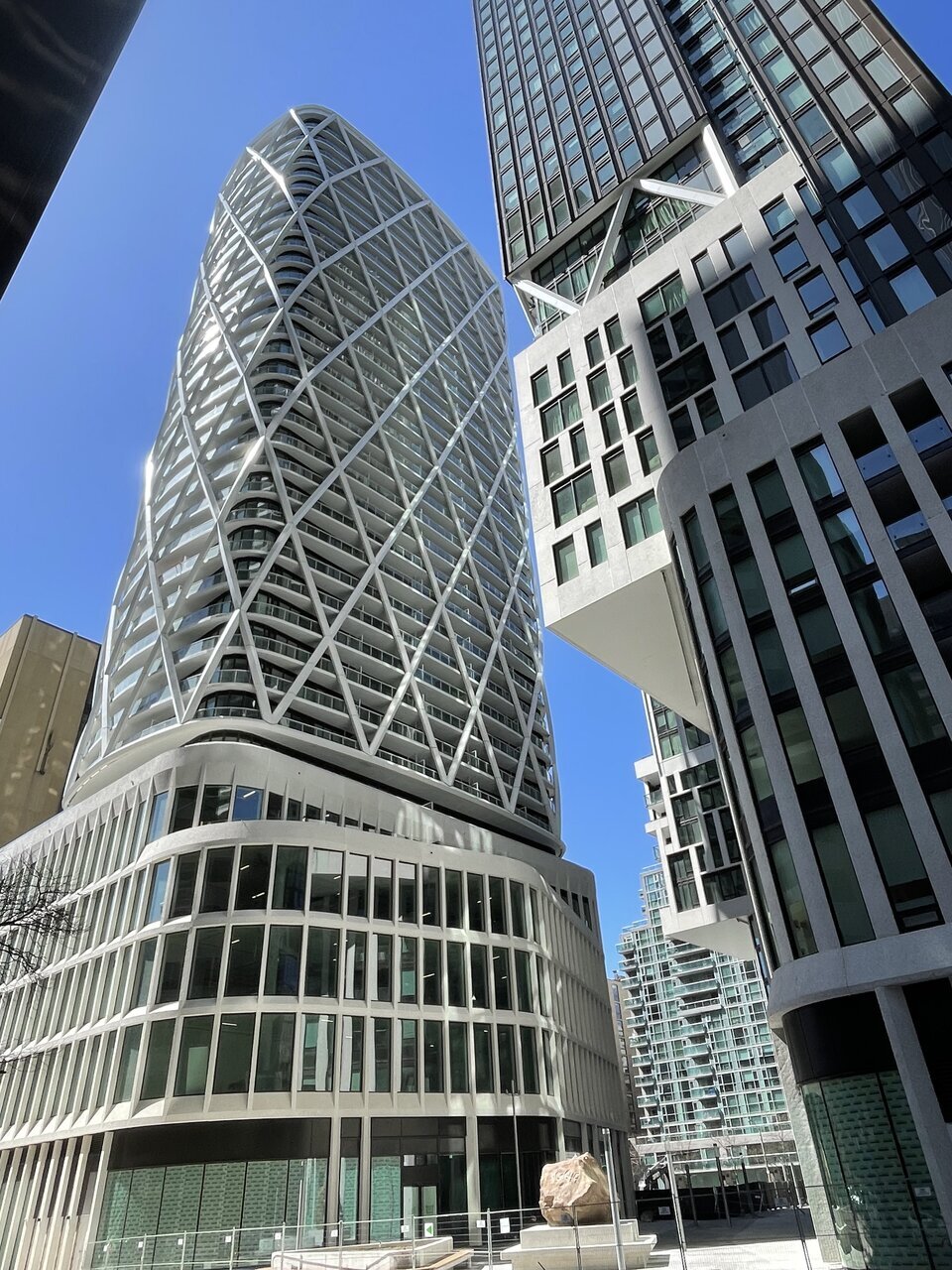
All 11 entries in this category were predominantly residential, but one conjoined project clearly captured voters’ attention. Elm–Ledbury, the twin-tower development by Fitzrovia Real Estate, emerged as the standout.
Designed collaboratively by Hariri Pontarini Architects and Turner Fleischer Architects, the Elm–Ledbury twins secured 34.14% of the vote, earning top honours in a tightly contested field and reinforcing the appeal of well-executed, contemporary residential design at this scale.
33–39 Storeys
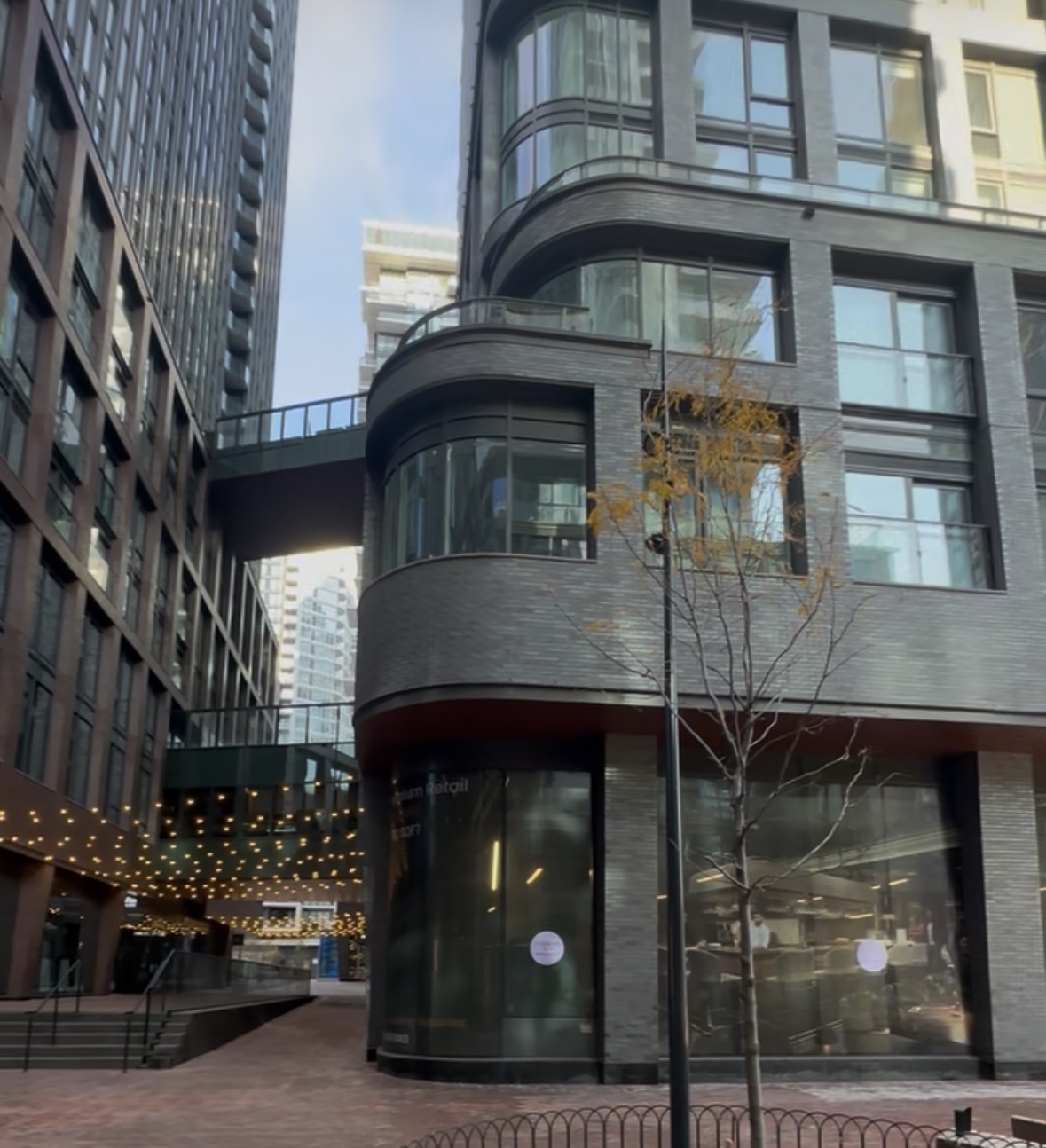
Among the 11 entries in this category, only one building managed to break the 7% mark — and it didn’t just edge ahead, it dominated. Artists’ Alley delivered a commanding win, capturing an impressive 52.57% of the vote.
Designed by Hariri Pontarini Architects for Lanterra Developments, Artists’ Alley clearly resonated with voters, standing head and shoulders above the rest of the field in this height range.
40–49 Storeys
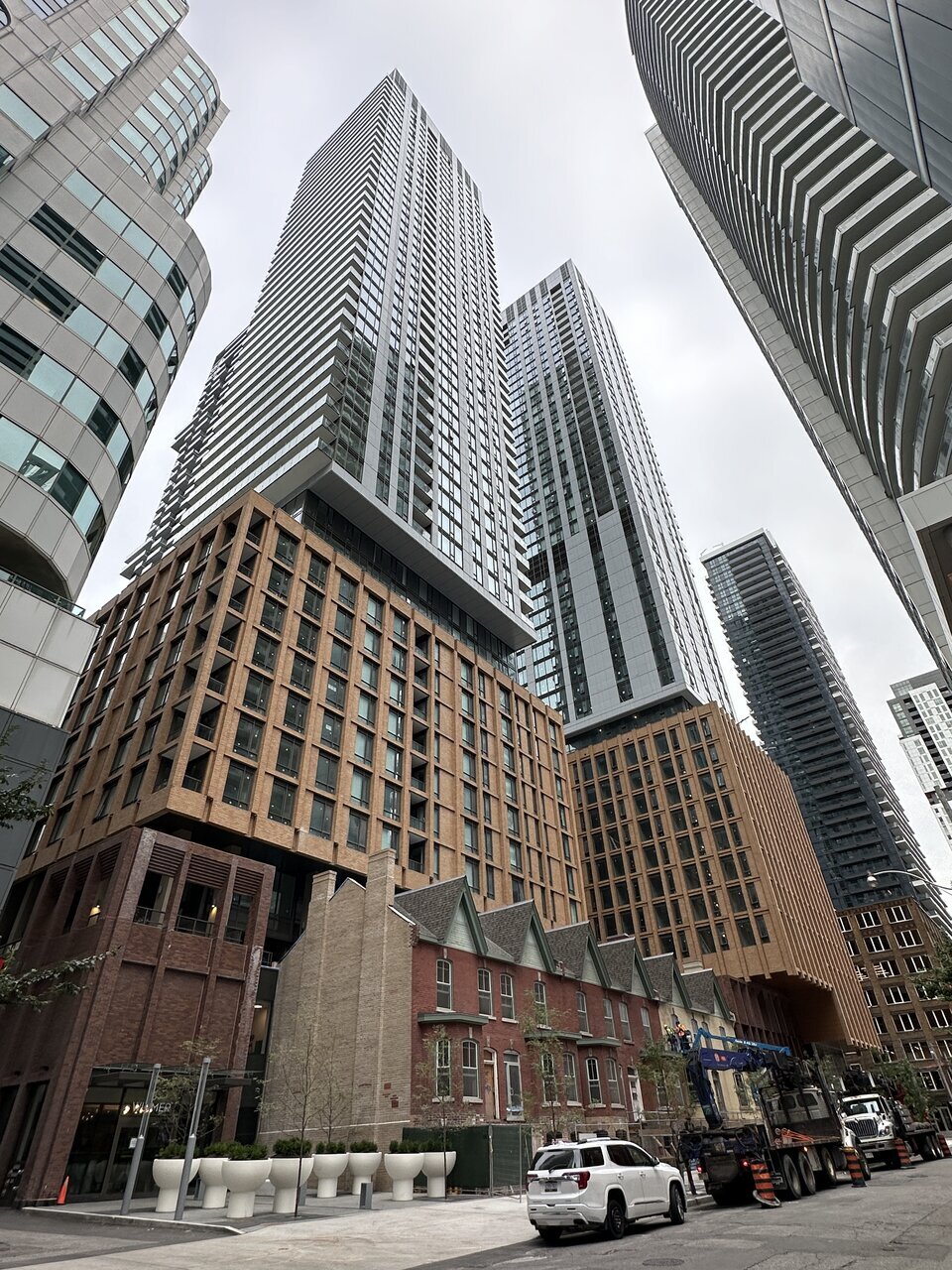
Only five buildings were completed in this height range in 2025, all of them primarily residential towers — but one project distinguished itself through its complexity and layered program. Theatre District Residences and Riu Hotel stood apart by combining residential living with a hotel component and a thoughtfully restored row of Victorian-era buildings at street level.
Designed by BDP Quadrangle for Plaza and Cranson Capital, the project captured 41.32% of the vote, earning the strongest support in its category and highlighting voters’ appreciation for mixed-use density that respects heritage context.
50+ Storeys
Rounding out the poll were seven towers of 50 storeys and higher completed across the GTHA in 2025. Rising above the rest — both literally and in voter support — was CG Tower condos in Vaughan, which secured 32.25% of the vote.
Designed by BDP Quadrangle for Cortel Group, the 60-storey tower is defined by its sculptural form, subtly tapering and shifting laterally as it ascends into the skyline. The result is a dynamic silhouette that clearly resonated with readers and made CG Tower the standout in the tallest category.

Would you choose to live in one of these award-winning condos — and which one speaks to you most?
Recognised architecture often adds lasting value to a property, combining thoughtful design with strong market appeal.
Ready to shop? Contact me below.
Let’s have a conversation about your goals and how we can help to achieve them. Feel free to call/text me directly anytime at 416-797-6226 or email me at sold@donnabulika.com



Recent Comments